How Sesame Seeds helps in lowering your Cholesterol
Sesame seeds may be tiny, but they are bursting with goodness that can work wonders for your heart health. These little powerhouses have been used for centuries in different cultures for their remarkable health benefits. In this article, we’ll explore how sesame seeds can be your secret weapon for improving heart health & cholesterol levels.
Sesame Seeds Overview:
Sesame seeds, derived from the sesame plant, are small, flat, oval-shaped seeds with a distinctive nutty flavor. They have been valued for centuries for their culinary significance as well as their health benefits and medicinal properties.
These versatile seeds are cultivated in tropical and subtropical regions worldwide, with major production in countries like India, China, and Ethiopia.
Keep in mind, there are multiple different kinds of sesame seeds, read our in-depth article here that details the different varieties of sesame seeds.
Nutritionally, sesame seeds are powerhouses packed with essential nutrients, including protein, healthy fats (including omega-3 and omega-6 fatty acids), dietary fiber, and a range of vitamins and minerals like calcium, iron, magnesium, and zinc.
These nutrients contribute to overall well-being and offer numerous health benefits, including heart health. In fact, some researchers believe sesame seeds to be one of the best herbs for lowering cholesterol.
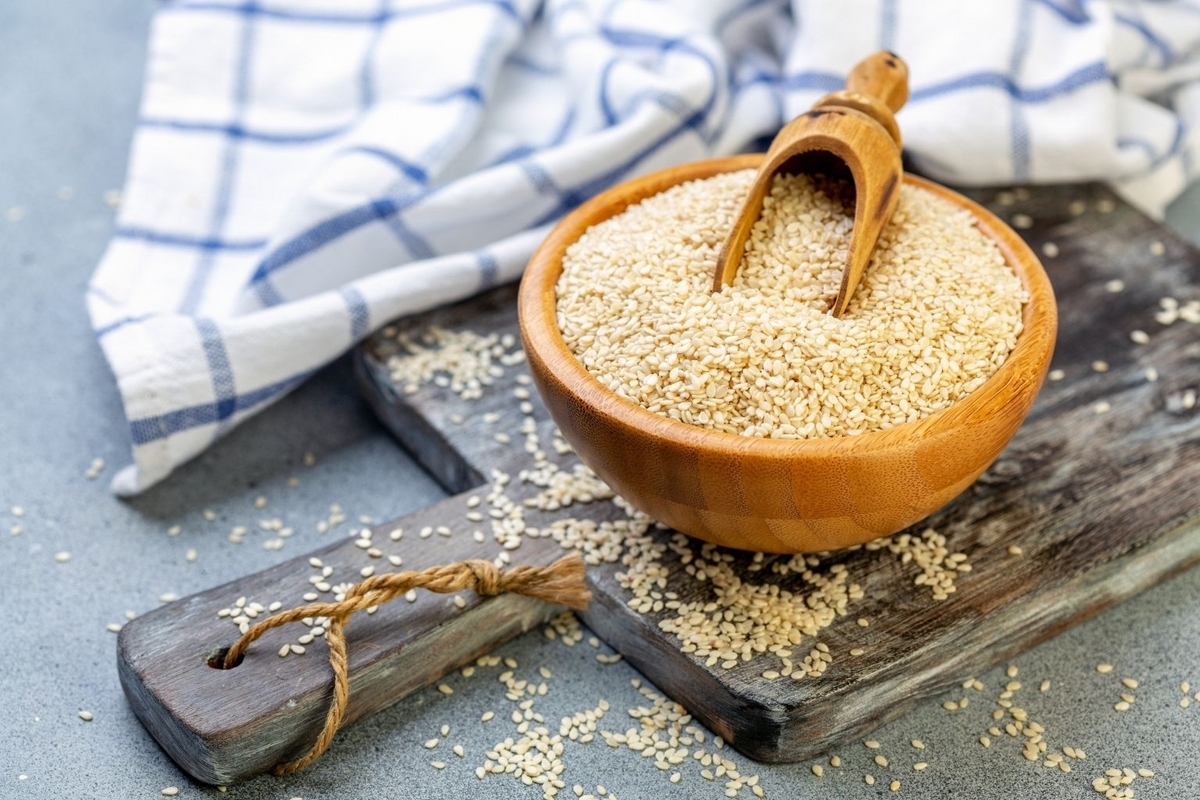
1. May Lower LDL Cholesterol
Sesame seeds have been studied for their potential to lower LDL (low-density lipoprotein) cholesterol levels, commonly referred to as “bad” cholesterol. The healthy fats present in sesame seeds, such as polyunsaturated and monounsaturated fats, have been shown to have a beneficial effect on cholesterol management.
These fats help to increase HDL (high-density lipoprotein) cholesterol, the “good” cholesterol, which aids in removing LDL cholesterol from the bloodstream and reducing its buildup in the arteries.
Moreover, sesame seeds contain plant sterols and stanols, which are structurally similar to cholesterol. These compounds compete with cholesterol for absorption in the gut, effectively reducing the amount of cholesterol that gets into the bloodstream. By incorporating sesame seeds into the diet, individuals may experience a modest but meaningful reduction in LDL cholesterol levels, contributing to better heart health.
2. May Improve HDL Cholesterol Levels
Beyond its impact on LDL cholesterol, sesame seeds may also play a role in raising HDL cholesterol levels.
HDL cholesterol is known to have protective effects against heart disease as it helps transport excess cholesterol from the arteries back to the liver for excretion.
Studies have suggested that sesame seeds’ healthy fats, along with other bioactive compounds, may support the elevation of HDL cholesterol levels, providing further cardiovascular protection.
3. Fiber’s Impact on Cholesterol Management
Dietary fiber, found abundantly in sesame seeds, is known for its cholesterol-lowering effects.
Soluble fiber, in particular, forms a gel-like substance in the gut, which binds to cholesterol and bile acids, preventing their reabsorption. As a result, the liver must use more cholesterol to produce new bile acids, leading to a decrease in overall cholesterol levels in the bloodstream.
The fiber content in sesame seeds makes them an excellent addition to a cholesterol-friendly diet. Incorporating these tiny seeds into meals and snacks can contribute to improved cholesterol management and a healthier heart.
4. Rich in Antioxidants
Oxidized cholesterol, which is cholesterol that has undergone chemical changes due to oxidative stress, is considered more harmful to the arteries and may promote atherosclerosis (the buildup of plaque in the arteries). Sesame seeds contain powerful antioxidants, such as sesamin and sesamol, which help combat oxidative stress in the body.
By neutralizing free radicals and reducing oxidative damage, these antioxidants may protect cholesterol particles from oxidation. This, in turn, can help maintain the integrity of LDL cholesterol, preventing it from becoming more harmful and reducing the risk of cardiovascular diseases.
Numerous scientific studies have explored the antioxidative properties of sesame seeds and their potential benefits for cardiovascular health, further supporting their positive impact on cholesterol management.
How to Add Sesame Seeds to Your Diet:
By incorporating sesame seeds into your daily diet, you can harness their cholesterol-lowering effects and support your heart health naturally.
From sprinkling sesame seeds on salads and yogurt to using sesame seed oil in cooking, these little wonders can be easily integrated into a heart-healthy lifestyle.
As always, it’s essential to maintain a balanced diet, engage in regular physical activity, and consult with a healthcare professional for personalized cholesterol management advice.
Conclusion:
Don’t underestimate the power of these tiny sesame seeds! Their nutrient-rich composition may be able to do wonders for naturally managing cholesterol levels.
So, the next time you’re looking for a natural way to support heart health, consider adding sesame seeds to your daily routine. With regular use, you’ll be amazed how this natural herb supports your heart health.
Hulled Sesame Seeds: Culinary Uses & Applications

Hulled sesame seeds is the name given to the sesame seeds whose outer cover or hull is removed during the manufacturing or processing stage. These tiny seeds can be used in countless dishes: their nutty taste enhances hamburger buns, popcorn, sushi rolls, crackers, bread, cookies, granola and so much more. Hulled sesame seeds are considered as the most nutritious seeds because of its proteins and valuable minerals.
Softer in texture and milder in flavor, hulled sesame seeds work well in recipes where they mix in well with other ingredients. They lend a little crunch to baked items and to make tahini, the sesame seed paste that is the foundation of hummus. Hulled seeds can also be toasted to intensify their flavor: The hulled toasted sesame seeds are excellent in salad dressing, ice cream or ground into sesame butter, another fantastic sesame paste.
Manufacturing Process of Hulled Sesame Seeds:
Wilmington Foods employs the latest dry-hulling technology from Maseto to process and peel-off the outer shell of sesame seeds. Dry-hulling uses less water & chemicals allowing us to retain the purity of seeds and save the overall water consumption by 95%. Food safety is further enhanced as most of the potential pathogens are due to the water contaminants. Prior to hulling process, these sesame seeds are thoroughly cleaned.
Hulled sesame seeds are relatively softer and delicious as compared to natural sesame seeds. We employ the advanced machinery from Buhler for cleaning, hulling, drying, color-sorting, etc. The sesame seeds are processed in absolute germ – free & hygienic conditions.
Uses & applications of Hulled Sesame Seeds:
Hulled sesame seeds are considered as powerhouse for energy comprising of healthy fats, protein, minerals, and vitamins. Daily consumption of small amounts of hulled sesame seeds can have remarkable impact on body and its functioning.
Below are some easy tips and tricks to use hulled sesame seeds in our daily diets:
1. Direct consumption
A good source of fibre, hulled sesame seeds can be consume directly. Daily dosage of two spoons of hulled or roasted sesame seeds is a good and easiest way to incorporate in daily diet.
2. Garnishing Salads
Try adding it in different salads. Hulled sesame seeds are perfect additions to salads for their nutty and crunchy flavour. Cucumber salads with lots of greens and carrots can be topped with roasted hulled sesame seeds.
3. Topping on Breads
Hulled sesame seeds are amply used as a topping on various bread likes buns, sour dough breads, muffins. Apart from nutrition it also imparts aesthetic property to the breads.

4. Enhances flavor of Smoothies
Hulled sesame seeds adds a dash of zingy flavor to various smoothies. Try blending some sesame seeds to your smoothie ingredients like different veggies, apple, banana, almond milk, water, spinach, kiwi, pineapple, lemon, mint etc. to get a tastier drink.
5. Sesame oil
Hulled sesame seeds are rich in oil content. These seeds are widely used for extracting the sesame oil. Sesame oil is recommended for nutrition absorption in our body. Consuming one table spoon daily morning on empty stomach help lubricating the body and enhancing nutrition absorption in the body effectively.
6. Making Tahini
Hulled roasted sesame seeds is a key ingredient for Mediterranean delicacy – Tahini. It imparts intense flavor & smooth texture to the tahini paste with a mild nutty flavor. The tahini made from hulled sesame seeds are well-blanaced and taste less bitter.
7. Dressings & Sauces
Hulled sesame seeds are a perfect addition of to homemade sauces and dressings. Such dressing can be used for tossing up veggies and served as vegetable palate.
8. Vegan Meals
Hulled Sesame seeds are rich in plant-based nutrition, and they’re a perfect addition to any vegan diet. There are many ways to incorporate these nutty seeds into your vegan diet. You can add them to salads, stir-fries, soups, or grain dishes. Also, sesame seeds are an ideal ingredient to make vegan falafel, homemade pesto or hummus.
9. Healthy breakfast food
Incorporating hulled sesame seeds into daily breakfast is the best way to reap the nutritional benefits of hulled sesame seeds. These wonder seeds are a good source of fiber and can be sprinkled on your oatmeal, yogurt, or cereal with lots of fruits. Protein content is thus maintained at the start of the day.
10. Sweets & Confections
Hulled sesame seeds are widely used in making a famous middle eastern sweets and confections including Tahini & Halawa. In India many sweet are made with help of hulled sesame seeds like Chikki or energy balls (energy bar with Jaggery and sesame). Many people use Tahini with olive oil as dressing for different types of salads.
11. Perfect addition to Snacks & Noodles
Hulled Sesame seeds are an integral part of Japanese Sushi, Granola, Sesame Noodles, cookies and brownies, rolls, vegetable patty, sesame spread and many more.There are many other ways to use hulled sesame seeds in daily diet like handful of seeds on cooked veggies or pinch of it on breads and buns is healthier way to intake these seeds.
Hulled sesame seeds are used in many preparations as a tahini paste to season sauces, salads, dishes and desserts, on breads, cookies and sweets. These wonder seeds may look tiny and small but have good impact on hair, skin, bones, teeth, liver, stomach and many other organs.
To purchase hulled white sesame seeds of the highest quality in bulk amounts, you can contact Wilmington Foods, the popular manufacturer & worldwide sesame exporter from UAE origin.
Sesame Seeds: The Vegan Friendly Superfood

Sesame is popularly known as Gingerly and Sim Sim. Its scientific name is Sesamum indium. Most experts believe that it has originated from Africa. Sesame seeds come in white, red, and yellow colors and are a source of nutrition for humans and animals as well. Once the oil is pressed from sesame seeds, farmers use it as animal feed. Sesame seeds are a power food having numerous uses and health benefits. An excellent source of protein, fibre, and healthy fats, sesame seeds pack a punch when it comes to boositing the nutritent profile of vegan diets.
Sesame seeds are pure vegan food. You can use it as a topping or a main ingredient for a variety of different Middle Eastern and Asian dishes. When purchasing sesame seeds, make sure to buy the whole, unlulled ones, as they are more nutritious and healthier.
Culinary Uses of Sesame Seeds for Vegans
Sesame seeds have a nutty flavor and texture. They are quite mild in taste, but the flavor becomes quite overwhelming when you press them for making oils or blend them to make Arabic tahini sauces.
Unlike the hulled variety, refined sesame seeds are whiter and shinier. Black sesame seeds have multiple uses. You can use them in organic buns, bread, and cereals. However, they are mostly used to enhance the appearance of curries and pastries. Roasted sesame seeds can give that extra crispiness and crunch to any desired dish.
People practices veganism use them as a healthy garnish for casseroles, salads, dips, pasta, and Asian stir-fried dishes. Similarly, you can use them for baked goods such as croissants, buns, plain bread, savory crackers, biscuits, cookies, etc. You can include some whole or crushed sesame seeds in organic cereals, protein bars, granola bars, and brown rice pilafs.
Why Should Vegans Use Sesame Seeds?
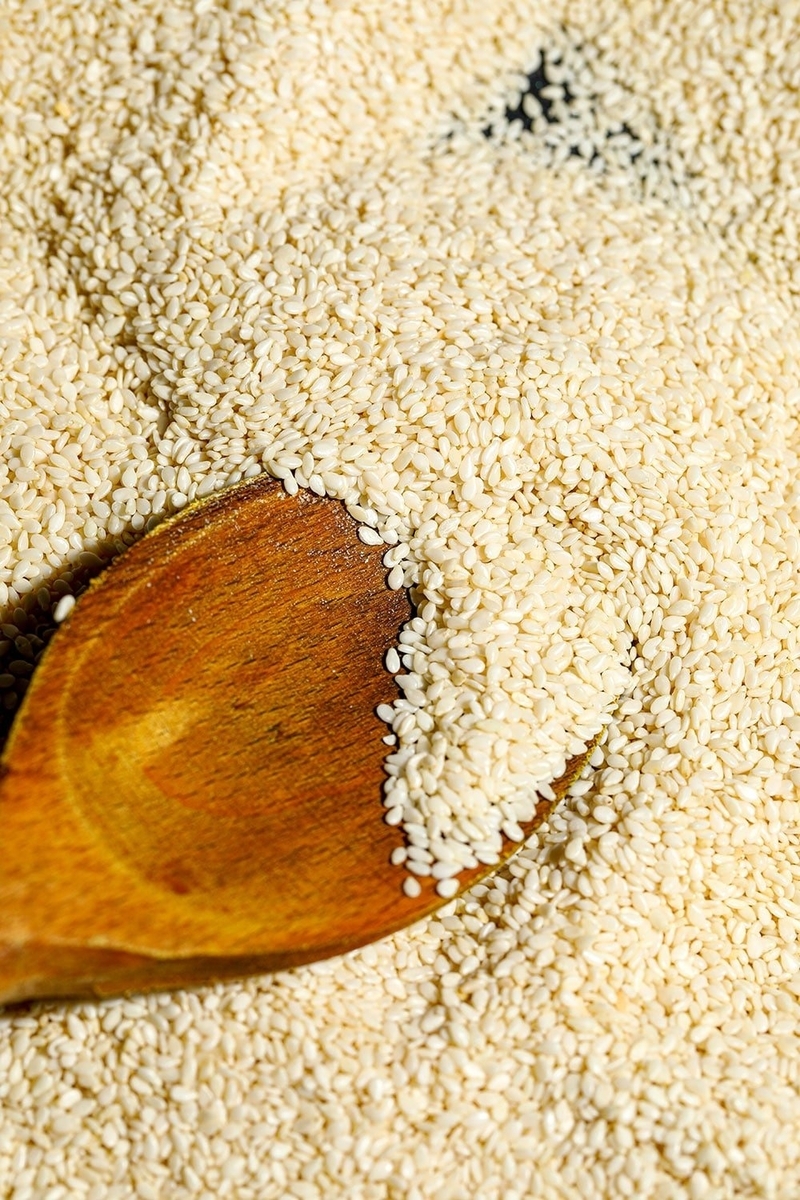
Unlike chia and flaxseeds, people often underestimate sesame seeds in terms of its nutritional value and significance, especially for vegans. Just like other popular super foods, they are packed with numerous vitamins and minerals and tastes equally great. Sesame seeds are also rich in fiber, calcium, magnesium, copper, and iron. It also aids in digestion as it is rich in fiber.
Sesame seeds contain 48% fat and have equal amounts of poly and monounsaturated fats. The amount of saturated fat in sesame seeds is very low. They contain around 18% of protein. One tablespoon of sesame seeds contains about 55 calories. Sesame seeds are rich in phosphorus, vitamin E, vitamin B, potassium, iron, and zinc.
Vegans who avoid regular milk can use sesame seeds as it also contains calcium. Those who are on a vegan or vegetarian diet are often in search of better alternatives for meat, such as tofu. Sesame seeds can be used as an alternative for tofu, and each ounce of sesame seeds contains around 4.7 grams of protein.
Health Benefits of Sesame Seeds
Sesame seeds are also beneficial for those who suffer from chronic constipation or irritable bowel movements. It is equally helpful for diarrhea, and also helps prevent cancer and other gastrointestinal diseases.
Regular use of sesame oil can aid in reducing the risks of getting diabetes. Since sesame seeds contain high amounts of magnesium, it helps to control high blood pressure levels. Sesame seeds contain zinc, which backs the production of collagen, which is vital for the growth of nails, hair, skin and muscles.
Medical Benefits of Sesame Seeds
Sesame seeds also have several calming properties that help to treat symptoms of stress and anxiety. It contains several minerals that aid in the production of serotonin. It is an important brain chemical that allows elevates mood, reduces symptoms of insomnia and other similar sleeping disorders.
Other major physical health benefits of sesame seeds are listed below:
-
It strengthens weak muscle tissues
-
It maintains good oral health
-
It helps to prevent cancer
-
It reduces cholesterol levels
However, health experts advise to use it in moderation; otherwise, it can cause an upset stomach as it is high in fiber. Also, they prefer organic sesame seeds over refined ones. Wilmington Foods is one such regarded white sesame seeds exporter and takes pride in providing its clients and consumers sesame seeds of premium quality worldwide. Here, sesame seeds are collected and packed under strict supervision under hygienic conditions and quality control. This guarantees freshness and nutrition to its growing clientele across the globe. The company also produces sesame tahini & delivers in bulk to the food manufacturers, private label brands & end customers in UAE and around the world.
Difference between Hulled & Unhulled Sesame Seeds
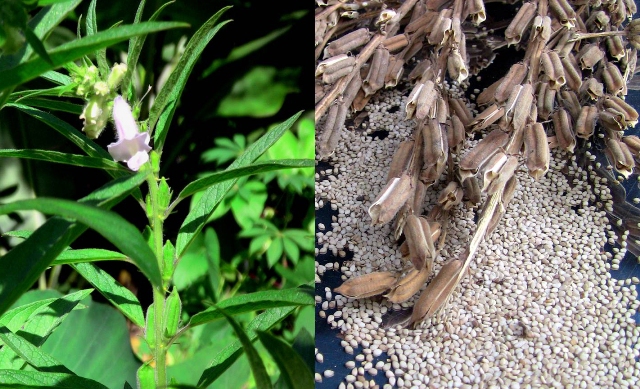
Sesame seeds are considered as one of the healthiest foods on earth. Tightly packed with nutrients, these wonder seeds are the mainstay of many cuisines and come with ahost of health benefits. Unhulled and hulled sesame seeds are the most commonly used varieties. Though minuscule in size, these seeds pack a robust punch of flavor and health, making them a staple in various diets worldwide. However, a question frequently pops up in discussions around sesame seeds – which is a better choice, hulled or unhulled sesame seeds?
Hulled sesame seeds, are the seeds with the outer cover or shell of the seeds removed. Hulling of seeds imparts a more uniform and almost pristine white appearance, together with a smoother, softer texture as compared to their unhulled seeds. While, the unhulled sesame seeds are the natural sesame seeds with the intact shell. Let’s take a closer look at the flavors & functionalities of these seeds:
Hulled Sesame Seeds:
Hulled sesame seeds, also known as white sesame seeds, are the inner, edible part of the sesame seed after removing the outer husk or shell. Softer in texture and milder in flavor, hulled sesame seeds work well in recipes where they mix in well with other ingredients.

Appearance: White & Bold
Flavor: Crunchy & Mild Nutty
Nutrition: Rich in essential nutrients.
- Iron & Calcium: 1 tablespoon of hulled sesame seeds consist of 0.7 milligrams of iron, 11 milligrams of calcium,
- Macronutrients & Calories: 51 calories, 1.5 grams protein, 2 grams of carbs, 4 grams of fat and 1.5 gram of fiber.
- Vitamin: Dietary folate is 8 micrograms and 6 units of Vitamin-A per spoon.
- Other Minerals – 66 milligrams of phosphorus, 29 milligrams of magnesium, 35 milligrams of potassium and 0.9 milligrams of zinc.
Hulled sesame seeds offer an impressive wealth of nutrients. Despite being bereft of their hulls, hulled sesame seeds do not lag far behind in the nutritional race. An excellent source of iron & protein, these humble seeds offer essential amino acids that your body requires to function optimally. Furthermore, the process of hulling makes these seeds easier to digest, thereby increasing the bio-availability of the nutrients they contain. .
Cooking with hulled sesame seeds:
Hulled sesame seeds, with their gentler flavor and softer texture, lend themselves beautifully to preparations where they’re intended to blend seamlessly with other ingredients. Examples include tahini, a sesame seed paste that forms the base of hummus, and baked goods, where these seeds add a subtle crunch without overpowering the overall flavor profile.
Unhulled Sesame Seeds
Unhulled sesame seeds, are seeds in their most natural form, retaining their outer hulls intact. This preservation of the hull imparts to these seeds a darker color, often making them appear brownish or even black. When it comes to taste, unhulled seeds pack a stronger punch, delivering a noticeably nuttier flavor compared to the hulled variety.
 Appearance: Brown or Black in Color
Taste: More Nutty, Crunchier in Taste
Nutrition: Higher Nutrional value.
- Iron & Calcium – 1 tablespoon of unhulled sesame seeds consist of 1.3 milligrams of iron, 88 milligrams of calcium.
- Macronutrients & Calories: 52 calories, 2 grams of protein, 2 grams of carbs, 1 gram of fiber and 4 grams of fat.
- Vitamin- 9 micrograms of dietary folate and 1 unit of Vitamin A.
- Other Minerals – 57 milligrams of phosphorus, 32 milligrams of magnesium, 42 milligrams of potassium and 0.7 milligrams of zinc.
Unhulled sesame seeds, due to the retention of their nutrient-rich hull, are often considered more nutrient-dense compared to hulled seeds. They boast higher amounts of calcium, a mineral essential for bone health, and fiber, which aids in digestion and maintaining a healthy gut. This makes them an excellent choice for those aiming to maximize nutrient intake from their diet.
Cooking with Un-hulled Sesame Seeds:
Unhulled sesame seeds with a strong nutty flavor and crunchy texture, work best in recipes that highlight them. They find favor in the preparation of salads, stir-fries, and sushi rolls, where their robust flavor and crunch provide a delightful contrast to the other ingredient.
Sesame seeds are a prized commodity, whether they are hulled or not. These seeds’ inherent versatility shines forth in their ability to enhance a plethora of dishes with their distinctive flavor and texture.
Wilmington Foods is one of the leading sesame exporters which cater to more than 20+ countries world wide. We produce and supply mechanically hulled sesame seeds & roasted white sesame seeds for various commercial food formulations, distribution networks, trading and wholesale purposes.
Sesame Seeds Exporters & Wholesale Suppliers - Wilmington Foods

Sesame seeds are truly one of the most ancient foods on earth and have been used for thousands of years to flavour foods, provide essential fats and enhance skin & bone health. It is a powerhouse of organic minerals that is extensively used in many recipes, cuisines and other food products across continents. The edible seeds have phenomenal benefits to the likes of alleviating cholesterol and chances of diabetes, keeping digestion in check, and one of the compounds of sesame seeds ‘Sesamol’ protects DNA from getting damaged during chemotherapy. These nutty seeds are full of calcium, magnesium, copper, vitamin B1, zinc and dietary fiber. They offer the most nutritional value when the entire seed is used (un-hulled).
Sesame seeds have very high oil content compared to other oil seeds. With their rich and nutty flavor, sesame seeds are a popular ingredient in a variety of cuisines world over. This tasty and extremely versatile ingredient can be easily incorporated in sweet and savoury dishes.
Wilmington Foods is a specialized manufacturer & worldwide exporter of hulled sesame seeds in UAE. Our sesame seeds are cleaned, hulled and optically sorted with Wilmington’s Proprietary Process using the best in European technology from Cimbria, Buhler and Maseto wherein absolutely no chemicals are used. This results in the original flavor, color and aroma remaining intact until the product is consumed.
Over the years, Wilmington Foods has been remarkably active in the export of sesame seeds. Wilmington Foods thrives as the most acclaimed manufacturer, processor and supplier of premium quality natural white sesame seeds, hulled sesame seeds, black sesame seeds & natural brown sesame seeds. The core expertise lies in the direct procurement from the fertile lands of India and processing at their own plants under strict quality control measures. Wilmington Foods stringently adheres to food safety standards of BRCGS, Halal, Kosher and HACCP to ensure production of best quality oil seeds for the customers.
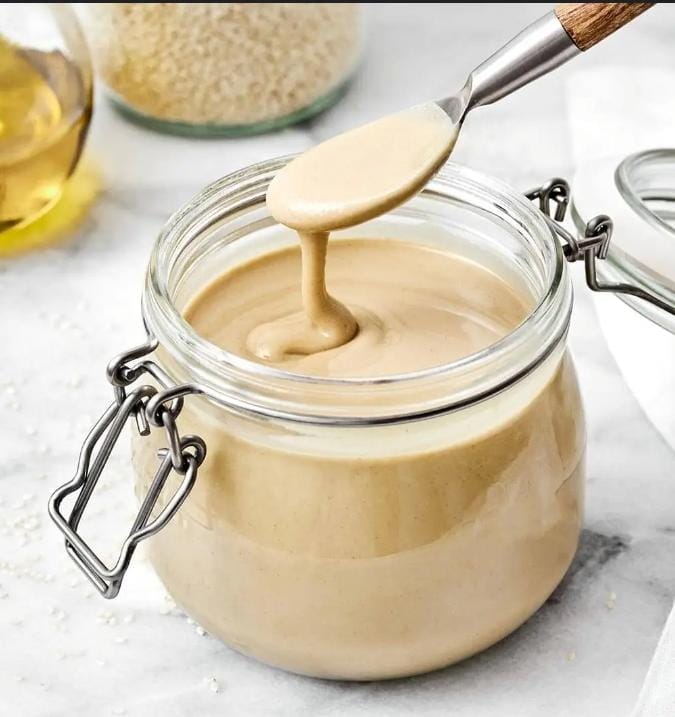
As an ace sesame seeds exporter, Wilmington Foods has adroitly carved out a niche by incessantly producing at its BRC Certified unit & delivering an absolutely unadulterated hygienic yield of hulled sesame seeds with real taste, original aroma and 100% purity. Wilmington Foods also produces creamy & smooth sesame tahini and delivers in bulk to the food wholesalers, manufacturers, private label brands in UAE and around the world.
To buy hulled white sesame seeds in bulk, you may contact Wilmington Foods, one of the seasoned hulled white sesame seed exporter based in UAE. We offer bakery quality white & bold hulled sesame seeds with 99.98% purity, orginial aroma & real taste.
Best Nut & Seeds for a Keto Diet
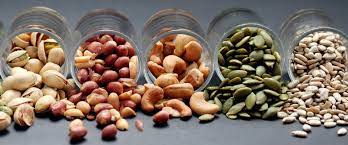
The ketogenic diet by and large limits the intake of fats, proteins and carbohydrates to a ratio of approximately 75%, 20%, and 5%, respectively. While this may seem challenging to balance, it really is a manageable quota with the inclusion of nuts & seeds on the keto diet. High in fats and low in carbs, the nuts and seeds can be a perfect food to help you meet your keto macros.
Keto Nuts & Seeds:
Keto nuts and seeds can be differentiated for their higher fat contents against the carbs per gram of fruit. Regarded as a dietary staple by the keto dieters, these keto nuts and seeds promise a nutrient dense & gut-friendly meal supplement. They’re convenient, rich in healthy fats, low in carbs, and abundant in health-protecting antioxidants – all things that can surely benefit one’s keto journey.
It’s true that most plant foods are too high in carbs to be suitable for keto. With a higher carb content, grains, fruits, legumes, and starchy vegetables cannot be added on a keto diet. For instance, if you eat these foods, chances are your blood sugar will spike and you won’t get anywhere near ketosis diet.
Keto friendly cereals, on the contrary, are rich in fat and low in carbs, having a minimal impact on blood glucose. In fact, research shows that eating these foods has an anti-diabetic effect. And the impact cannot be solely attributed to the high-fat content of nuts and seeds. Fiber does hold a roleplay as it feeds good gut bacteria which then supports normal metabolism functioning. Their high antioxidant content also helps lower inflammation in the body and inflammation is a key driver of diabetes.
Not all nuts and seeds are, however, keto-approved. Let’s take a closer look at some of the nuts & seeds that can often be used in Low-carb & Keto kitchen.
-
Almonds
Almonds, beholding a mild savory taste, are a perfect addition to the keto diet. Native to the Mediterranean region, almonds are botanically not the “true nuts, rather the seeds of a drupe.
Nutrition Facts: Almonds are particularly rich in fiber as well as unsaturated fatty acids, that helps to lower bad (LDL) cholesterol. A 100-gram of almond is supposed to provide over 20% of the daily value (DV) of B vitamins, vitamin E, calcium, magnesium, iron, and zinc in tandem with substantial levels of folate, choline, and potassium.
-
Walnuts
Great for boosting brain functioning & fortifying your heart, walnuts are a definitely an underrated keto nut. Walnuts, with an economical cost & marginal calorie, however, can be a favorable addition to your keto diet.
Nutrition Facts: Walnuts are 65% fat, most of which is the polyunsaturated kind. In fact, walnuts contain more polyunsaturated fatty acids (PUFAs) than other nuts, particularly the brain-boosting omega-3 fatty acids that studies show we should eat more.
Other than PUFAs, walnuts are a good source of fibre, protein, thiamine, folate, magnesium, and copper.
-
Peanuts
Peanuts in the form of butter or as a salted snack is a well-endorsed keto nut. Whichever way you choose to eat them, you won’t go wrong as peanuts are definitely one of the preferred keto nuts. Peanuts are actually legumes and they’re classified as nuts solely because they’re nutritionally closer to nuts than legumes.
Nutrition Facts: Peanuts carry 50% fat, most of which is monounsaturated type. It is an exceptionally good source of high-quality plant proteins. These keto nuts are also favored for their vitamin E, niacin, folate, magnesium, & choline contents.
-
Sesame Seeds
These beige seeds are native to India & Africa where people have domesticated them for over 3,000 years. Today, the rich and nutty flavor of these edible sesame seeds has made them a part of cuisines worldwide. You can pair them with your meals either raw, toasted or even ground to a paste known as tahini.
Nutrition Facts: Sesame seeds are known for delivering the maximum oil contents from plant-based seeds. Rich in dietary fiber and protein which, along with fat content, makes them a perfect macro balance for a keto diet. The nutritional profile of these sesame seeds plays a vital role in improving the blood pressure, reducing oxidative stress, & improving the blood lipids.
Carbohydrates per serving: Total Carbs: 6.6 g, Fiber: 3.3 g, Net Carbs: 3.3 g
Key Nutrients: Sesame seeds provide 27% of your daily calcium needs and 25% of your daily magnesium needs per serving.
Potential Health Benefits: Lower LDL cholesterol and antioxidant protection. In one study, people with elevated cholesterol who ate 40 grams (1.5 ounces) of sesame seeds daily for 60 days experienced significant decreases in LDL cholesterol and free radical cell damage, along with an increase in antioxidant activity.
-
Flaxseeds
Flax is also known as flaxseeds or linseed. Unlike most keto seeds, flax is grown in cooler climates. There are different varieties of flax available in the market, the most common being brown, yellow, and golden flaxseeds.
Flax is a versatile plant invariably used across the industries for making linen, wood-finishing, oils, and nutritional supplements.
Nutrition Facts: Keto dieters love flax because it helps them meet their daily omega-3 fatty acid needs. At least half of the fats in flax are omega-3s. Flax is around 40% fat, 30% fiber, and 20% protein. These seeds uphold a high-fiber content which makes them good for appetite control, weight loss, gut health, and cardiovascular health. Exceptionally rich in thiamine, magnesium, potassium, and phosphorus, flax has a hundred times more lignans than any other plant food. Lignans are plant compounds with antioxidant and hormone-regulating properties.
-
Poppy Seeds
Poppy seeds are tiny, kidney-shaped, oily seeds harvested from the dried seed pods from the poppy flower. Nutty & pleasant in taste, poppy seeds impart a unique flavor that goes well in pastry and bread.
Nutrition Facts: Poppy seeds are a rich source of thiamine, folate, calcium, iron, magnesium, manganese, and zinc. These seeds contain 40% fat, 30% carbohydrates (mostly fiber), and 20% protein. Poppy seeds also contain opium alkaloids like morphine and codeine.
Densely loaded with oleic and linoleic acids, these fatty acids help with weight loss and balance out blood cholesterol. Linoleic acid is an essential nutrient important for healthy hair and wound healing.
-
Chia Seeds
Keto dieters prefer chia seeds for their high-fat content and health benefits. Tiny & oval in appearance, chia seeds are mostly grey in color with stripes, resembling miniature castor seeds. Chia has hydrophilic characteristics, absorbing up to 12 times their weight in liquid.
Nutrition Facts: Chia seeds are 40% carbohydrates, mostly is in the form of dietary fiber. Fiber being an indigestible carb does not impact blood sugar or ketone production, however, tends to regulate the normal bowel movements and gut health. With over 30% fat compound of omega-3 fatty acids (65%), Chia seeds claim to be a great source of the essential omega -3 fatty acids
Chia seeds also contain powerful antioxidants, most notably chlorogenic acid, caffeic acid, quercetin, and kaempferol. These antioxidants protect heart health and liver health and they prevent cancer and premature aging.
-
Pumpkin Seeds
Pumpkin seeds, aka pepitas, are flat, oval seeds available in hulls or de-hulled. These seeds are nutrient-dense and a perfect keto-snack. Cheaper than many other nuts and seeds, the pumpkin seeds go well in a range of savory dishes.
Nutrition Facts: Pumpkin seeds are 50% fat with a perfect balance of PUFA and MUFAs. Rich in proteins, fiber, B vitamins, iron, zinc, manganese, magnesium and phosphorus, these edible seeds provide plenty of riboflavin, folate, pantothenic acid, sodium, and potassium.
The ketogenic diet basically changes the metabolic fuel of your body to make it lose weight. Being high in fat and low in fiber, Nuts and Seeds are definitely welcomed on the keto diet with their impressive nutritional breakdown. While retaining a good number of calories, they help in avoiding carbohydrates giving you massive benefits including improved health, weight loss, and better performance physically and mentally.
The Journey of Sesame From Farm To Plate
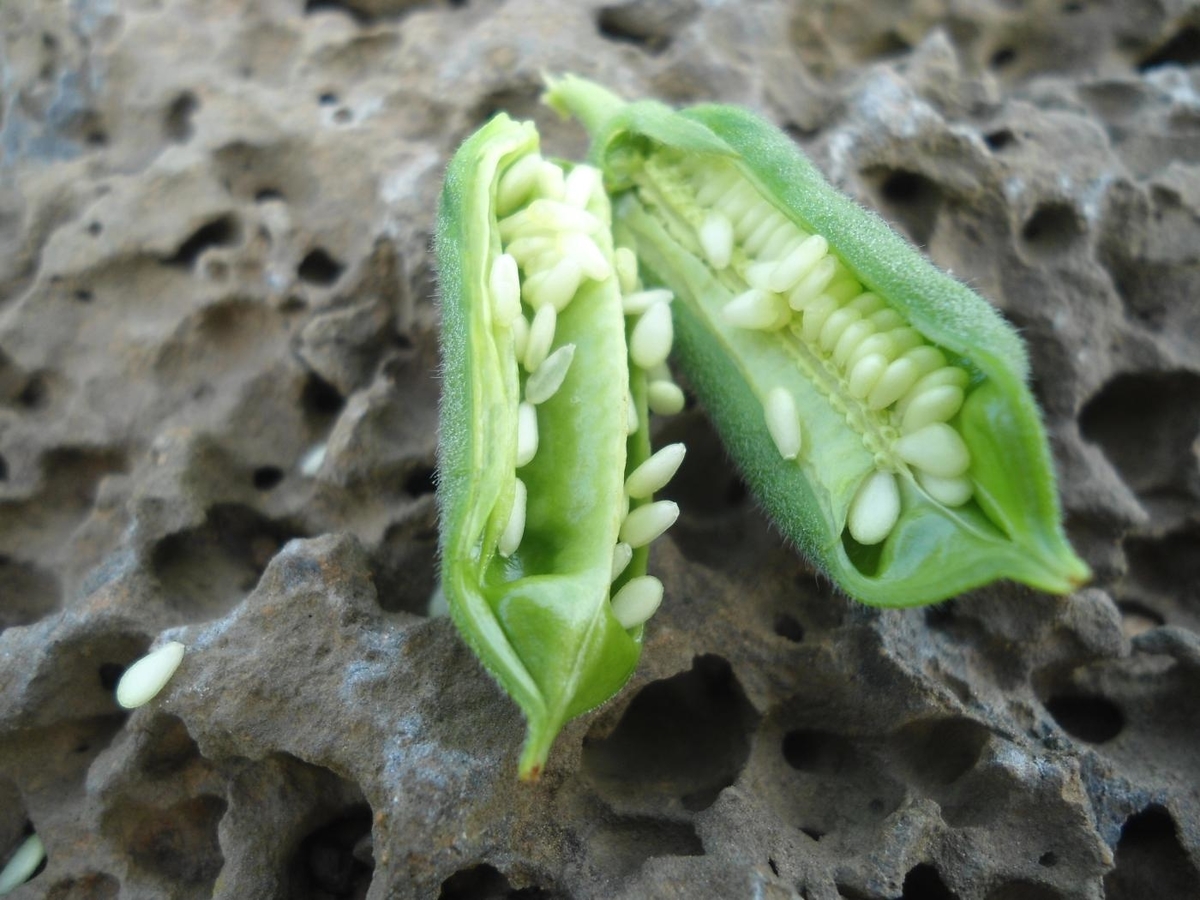
People have been eating sesame seeds for at least 5,000 years, making it one of the oldest cultivated crops in recorded human history. These seeds are common on hamburger buns and in a variety of Asian, Mediterranean, and Caribbean dishes. But as our 'All the health benefits that sesame seeds brings to you' feature shows, sesame seeds are also packed with nutrients and health benefits, an ideal addition to everyday meals. It has folic acid, for instance, which promotes hair growth and healthy skin. Meanwhile, it has zinc that boosts immunity and strengthens bones.
With their long history, there’s much to tell about these tiny seeds. But in the article, we’ll be talking about their journey from soil to plate.
Growing
While other cultivated crops like rice can be sown directly outside, sesame seeds don’t do well with direct sowing. Instead, seeds should be lightly covered with planting mix four to six weeks before the last frost date. The seedlings should be transplanted when the temperature is warmer.
Sesame plants can typically thrive even in poor growing conditions such as thin soil and drought. Sesame plants bloom in the summer, so they need plenty of sunlight and warmth. They can grow in different soil conditions, but they can’t tolerate standing water, heavy clay soils, or salty soil. Instead, the best would be sandy, loamy soil. What’s important is that the soil they’re in allows for good drainage since sesame plants actually don’t need much water.
Harvesting
Sesame seed harvest happens 90 to 150 days from planting before the temperature grows colder. The leaves and stems of mature sesame plants change from green to yellow to red. The leaves will also start to drop. When ripe, the sesame seed capsules split to release the seeds. These are harvested when they’re as dry as possible. Harvesting the seeds on a large scale may require the use of an all crop reel head or row-crop header. However, sesame seeds can turn rancid quickly because of the high amount of oil they contain. Because of this, they’re moved quickly through sales and packaging.
How to eat sesame seeds
Sesame seeds are very versatile, so you can experiment with how to use them in various dishes and how to prepare them. Below are a few simple ways to try:
Sesame seed rice
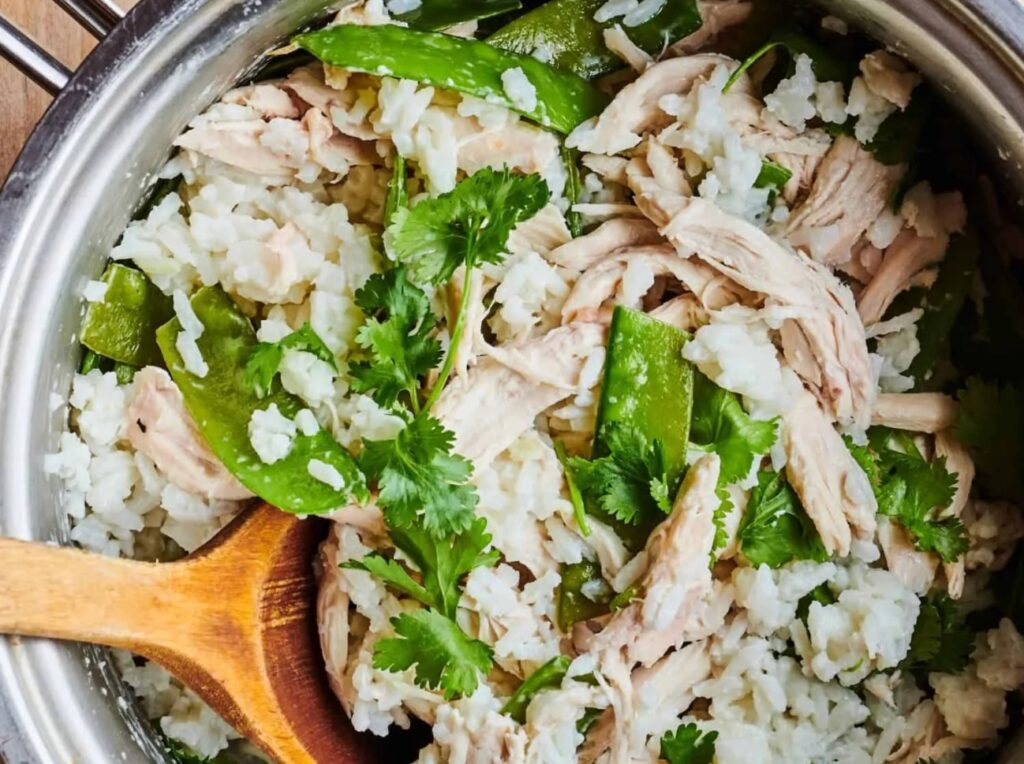
Sesame seed rice is something you can make in less than an hour. First cook 1½ cups rice in the rice cooker until fluffy. You’ll be happy to know that fluffy rice is easily-achievable these days since there are modern rice cookers that offer that option. Once the rice is done, heat ⅛ cup vegetable oil in a saucepan over medium heat and saute one tablespoon of garlic paste and one tablespoon of ginger paste until lightly browned. Then mix in ½ cup of tamarind paste, a pinch of ground turmeric, and salt and pepper to taste. Then mix in the rice until well coated. Heat another ⅛ cup of vegetable oil in a small skillet and saute 1½ teaspoons of sesame seeds until lightly browned. Then combine with the rice mixture; you can also add in some chicken strips and herbs to add protein and more flavor. Serve.
Sesame oil
Sesame oil can be used much like canola oil or vegetable oil and can withstand high heat. It can also be drizzled on various dishes like soups, stir-fries, and salads, too. To make sesame oil, preheat your oven at 82°C and spread the seeds on a baking pan. Then put in the oven for ten minutes. But stir the sesame seeds after the first five minutes. Allow the seeds to cool then mix ¼ cup of the toasted seeds and a cup of sunflower oil in a pan and gently heat for two minutes. Next, put in a blender until well combined, then allow to steep once the mixture forms a loose paste. After two hours, you can strain the mixture using a cheesecloth then put the strained mixture in an airtight container and store in the refrigerator.
Wilmington Foods is a well-known sesame seeds exporter and wholesale supplier based in UAE. The company produces mechanically hulled sesame seeds & sesame tahini and delivers in bulk qunatitites to the industrial users, food manufacturers, retailers, and private label brands across the globe.
